
Concrete Hardener for Smart Cities and Urban Projects
Cities are expanding faster than ever, and the materials beneath them must endure constant stress. Busy streets, pedestrian walkways, transport hubs, and utility corridors face heat, rain, pollution, and heavy traffic every single day. Concrete hardener plays a critical role here—turning ordinary concrete into a long-lasting, high-performance surface built for modern urban demands.
Concrete Hardener for Smart Cities and Urban Projects
Cities are expanding faster than ever, and the materials beneath them must endure constant stress. Busy streets, pedestrian walkways, transport hubs, and utility corridors face heat, rain, pollution, and heavy traffic every single day. Concrete hardener plays a critical role here—turning ordinary concrete into a long-lasting, high-performance surface built for modern urban demands.
Across India, builders and planners increasingly rely on advanced solutions such as AsianBond concrete hardeners. These treatments strengthen infrastructure while controlling long-term costs. In large-scale urban developments, durability beneath the surface matters just as much as what people see above it.
Why Concrete Hardener Matters in Smart Cities
A city’s resilience depends on how well its surfaces handle daily pressure. Roads, plazas, footpaths, metro corridors, and public spaces experience nonstop loading. When untreated concrete wears down, repairs become frequent, disruptive, and expensive.
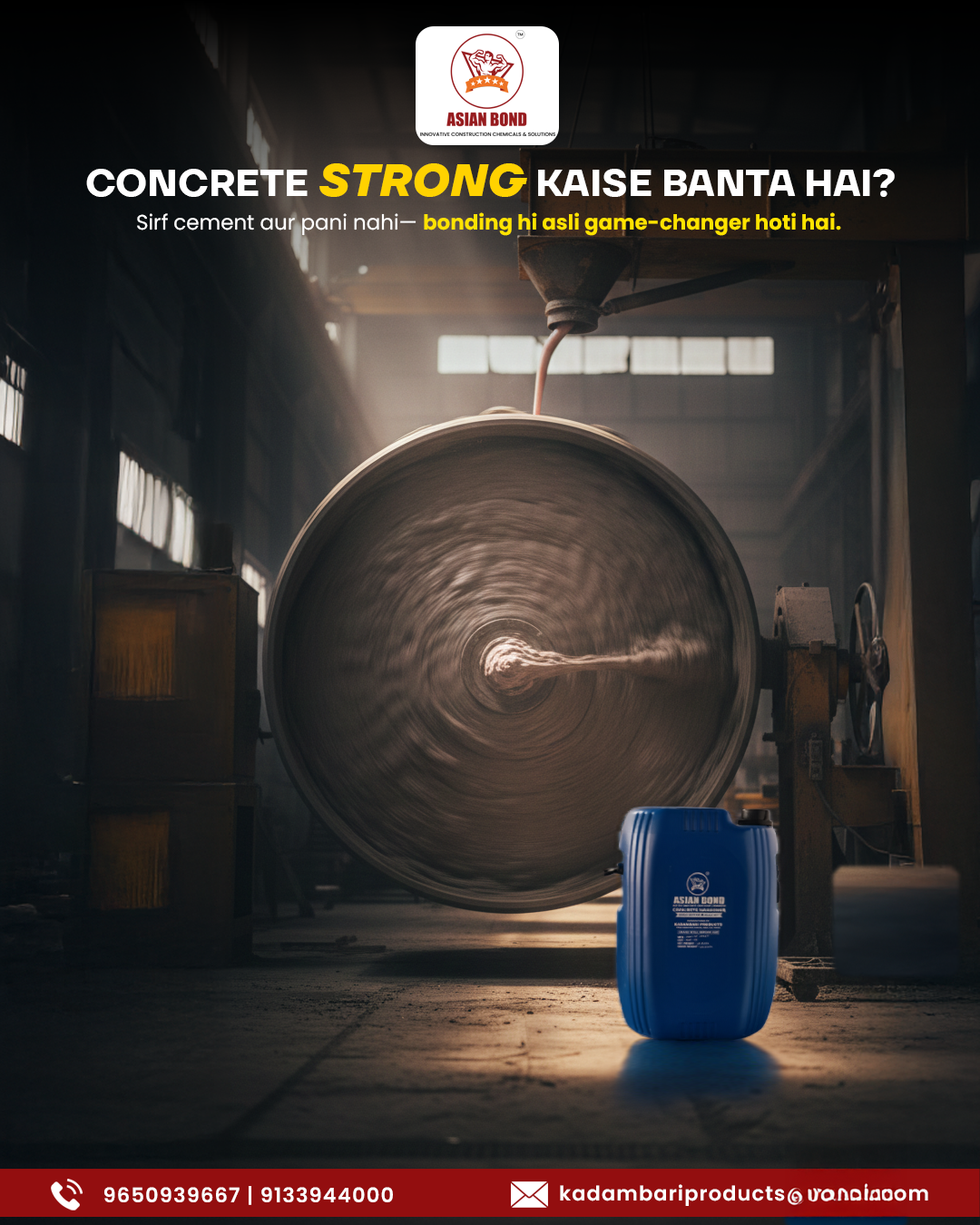
Concrete hardener works by penetrating deep into the slab, reacting with lime inside the cement matrix. This chemical reaction forms dense binding compounds that increase strength by up to 40 percent. The result is a tighter surface that resists cracking, dusting, and moisture ingress—ideal for urban environments facing monsoons, heatwaves, and constant use.
AsianBond hardeners are widely used in redevelopment zones across cities such as Mumbai and Delhi, where infrastructure must remain operational while upgrades continue. Their performance shows in reduced maintenance cycles and surfaces that stay intact under heavy footfall and vehicular traffic.
Strengthening Urban Infrastructure from the Ground Up
Concrete hardener enhances load-bearing capacity, helping urban structures withstand crushing forces. In places like parking structures, transit stations, and public plazas, this means fewer surface failures and longer service life.
Dust reduction is another major benefit. Untreated concrete sheds fine particles that affect air quality—especially in enclosed or high-density areas. Hardened surfaces seal microscopic pores, keeping dust locked in and improving cleanliness in public and commercial zones.
AsianBond’s formulations resist oil, fuel, and cleaning chemicals, making them suitable where city streets meet industrial activity or electric vehicle infrastructure. Bulk procurement further reduces per-unit cost, helping municipalities and contractors control budgets without sacrificing quality.
Safety improves as well. Treated floors retain grip even under wet conditions, supporting safer movement in crowded sidewalks, transit hubs, and mixed-use developments.
AsianBond Concrete Hardener for Urban Projects
With more than two decades of experience in concrete additives, AsianBond focuses on silicate-based densifiers designed for real-world urban stress. Their hardeners penetrate 4 to 6 millimeters into concrete—far deeper than surface sealers—creating strength from within.
Urban applications in cities such as Bhubaneswar and Ahmedabad rely on AsianBond solutions for paver blocks engineered to handle loads exceeding 10,000 PSI. Rapid curing—often within 24 hours—keeps infrastructure projects on schedule.
For large developments, AsianBond supplies concrete hardener in 200-liter drums with volume-based discounts. Industrial hubs around Gurugram and Pune frequently use their floor-hardening systems to support high-traffic environments.
Using Concrete Hardener in Smart City Applications
On major city roads and logistics corridors, concrete hardener reduces wear from constant truck traffic. Treated paver blocks interlock tightly, minimizing joint movement, weed growth, and surface failure in pedestrian plazas.
In industrial zones and service hubs, floor hardeners protect slabs under heavy machinery and transport vehicles. AsianBond solutions are widely used in Bengaluru’s industrial clusters, where durability is essential for uninterrupted operations.
Commercial complexes benefit as well. Liquid concrete hardener enhances the appearance of exposed brick and concrete while increasing resistance to abrasion. Developers often choose to buy concrete hardener in bulk for consistent performance across large sites.
Cost and Long-Term Returns
AsianBond concrete hardeners typically range from ₹45 to ₹70 per liter, depending on formulation. For an area of 100 square meters, treatment costs usually fall between ₹5,000 and ₹7,000.
Over a five-year period, this upfront investment can eliminate repair expenses exceeding ₹50,000. Bulk purchasing improves value further, delivering returns multiple times the initial cost—especially important for long-term urban infrastructure.
Applying Concrete Hardener for Best Results
- Clean the surface thoroughly to remove dust, grease, and debris.
- Dilute the liquid hardener at a 1:5 ratio with water.
- Apply evenly across brick or concrete surfaces using spray or roller.
- Allow penetration for one to two hours before rinsing lightly.
- Wait 24–48 hours for full curing before heavy use.
No specialized equipment is required, making application practical even for large municipal projects. AsianBond teams also provide on-site guidance when needed.
Concrete Hardener Trends in India’s Urban Development
India’s smart city initiatives aim to modernize more than one hundred urban centers by 2030. Beneath these developments, advanced materials like nano-enhanced concrete hardeners are becoming standard.
As environmental regulations tighten, builders are shifting toward low-VOC, liquid hardeners that reduce emissions while improving construction speed. AsianBond continues to develop solutions aligned with these evolving standards.
AsianBond for Resilient Cities
Strong cities begin with durable surfaces. Whether used on paver blocks, factory floors, or brick structures, AsianBond concrete hardeners provide reliable protection across India’s urban landscape.
For developers planning large-scale projects or municipalities seeking long-term performance, AsianBond offers dependable supply, transparent pricing, and proven results—building resilience where it matters most.