MANUFACTURER & EXPORTER
Read the latest insights, application guides, and industry news about concrete hardener solutions.
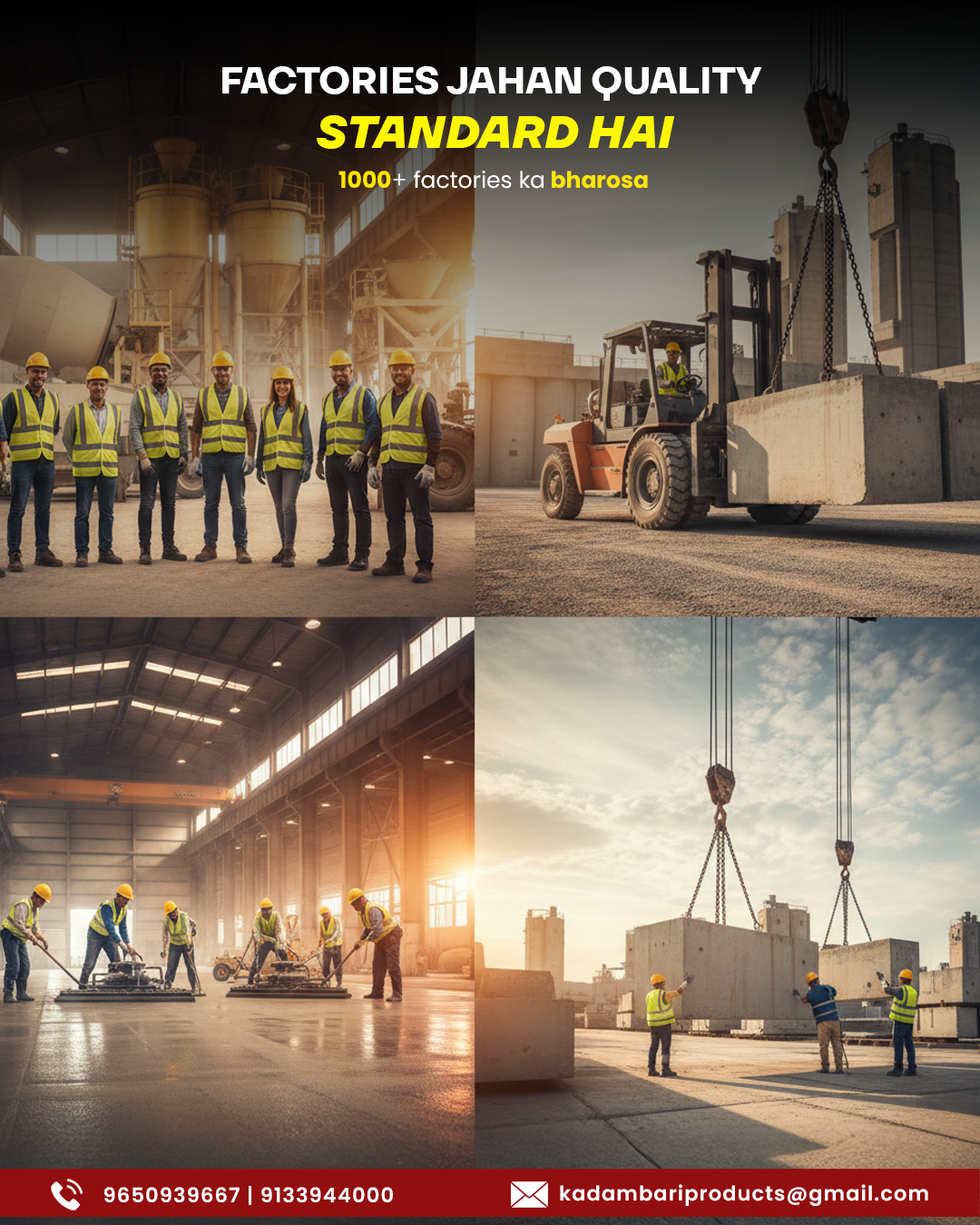
In warehouses, factories, and distribution centers, concrete floors face relentless punishment from forklifts and pallet trucks. Continuous movement under heavy loads causes dusting, surface pitting, and cracking that disrupt operations and inflate maintenance costs. A high-performance concrete hardener changes this outcome by converting weak, porous slabs into dense, long-lasting industrial floors.
Below ground level, construction faces a very different reality. Basements, underground parking areas, and sub-structures remain in constant contact with moisture, soil pressure, and heavy loads from the structures above. In these spaces, strength is not optional—it is essential. Concrete that is not properly hardened begins to crack, dust, and weaken far sooner than expected. Long-term durability depends on what penetrates the concrete during construction, not just what covers it later. Protection must begin from within.
By 2026, construction no longer revolves around pouring thick concrete and hoping it holds. Strength today is engineered at the smallest scale, reshaping materials from the inside out. Nano-hardening has emerged as the defining shift — not as a trend, but as a measurable upgrade in durability. Builders care less about labels and more about outcomes: less labor, fewer repairs, and materials that last twice as long. At the center of this change stands Asianbond, introducing advanced chemistry into India’s rapidly expanding infrastructure.
By 2026, a quiet but decisive shift has reshaped how concrete floors are strengthened. Where sodium silicate once dominated job sites, lithium-based concrete hardeners have taken the lead. Designers, engineers, and contractors now expect more than acceptable durability — they want long service life, minimal dust, and predictable performance under heavy loads. Older methods no longer meet those expectations. Lithium chemistry does.
Concrete floors in food-grade environments take constant punishment. Heavy machinery rolls all day, liquids spill often, and aggressive cleaning never stops. Breweries, dairies, pharmaceutical plants, and food processing units demand floors that resist stains, prevent slipping, and block bacterial growth. Ordinary concrete struggles under these conditions. A concrete hardener changes that reality by strengthening slabs from within. Across India, Asianbond has emerged as a trusted name for food-safe concrete hardening solutions designed to last without compromising hygiene or safety.
Warehouse floors face relentless stress. Forklifts roll nonstop, heavy pallets scrape across aisles, and fine dust rises as untreated concrete slowly breaks apart. Over time, edges chip, cracks widen, and surface powder spreads into equipment and work zones. Repairs arrive sooner than expected, disrupting operations and increasing safety risks. A high-performance concrete hardener changes this cycle by strengthening the slab from within. Across India, AsianBond provides this protection—transforming ordinary warehouse floors into durable, long-lasting work surfaces built for constant load.
Cities are expanding faster than ever, and the materials beneath them must endure constant stress. Busy streets, pedestrian walkways, transport hubs, and utility corridors face heat, rain, pollution, and heavy traffic every single day. Concrete hardener plays a critical role here—turning ordinary concrete into a long-lasting, high-performance surface built for modern urban demands.
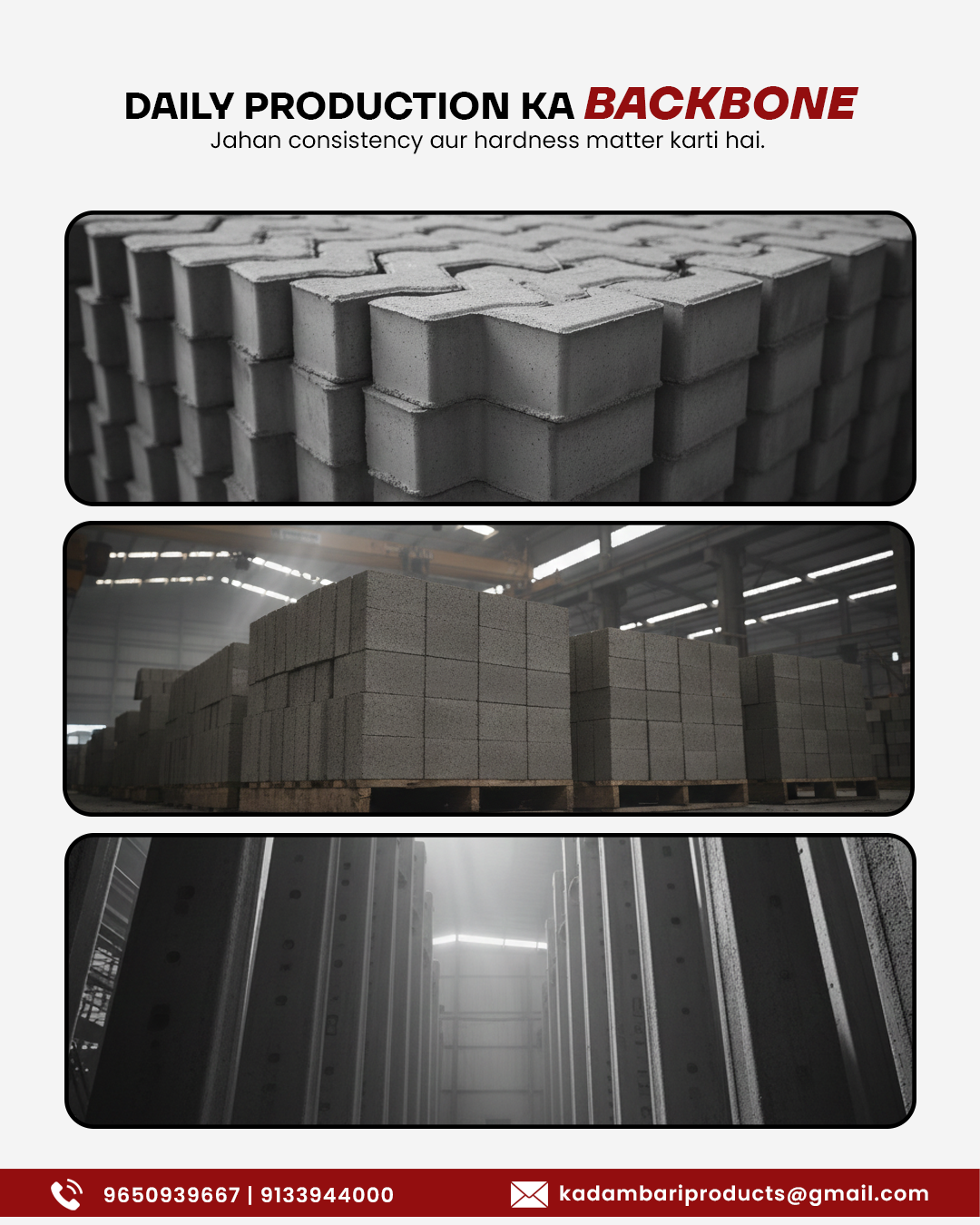
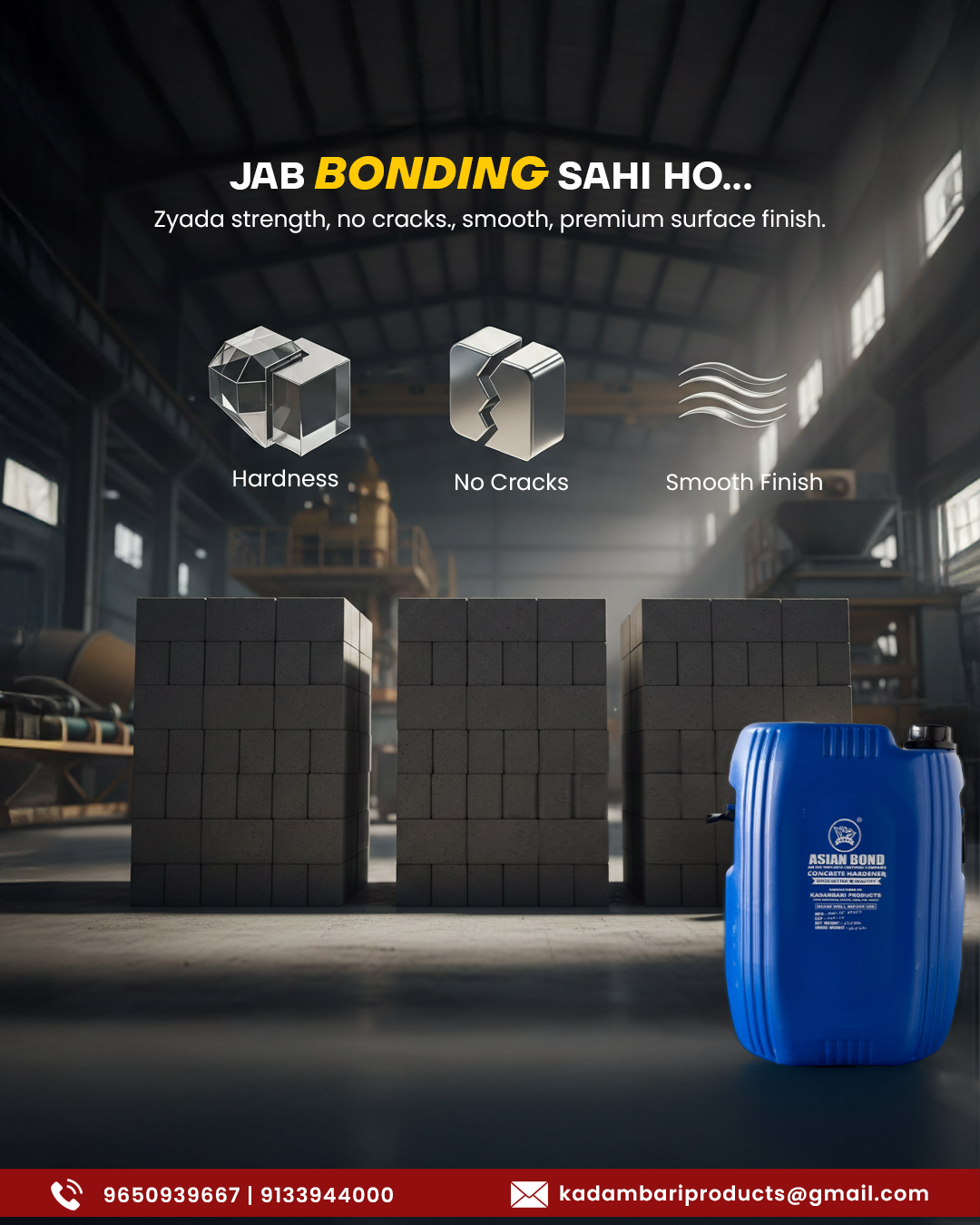
Floors begin to last noticeably longer when concrete is treated correctly. Factories report fewer cracks, paver blocks withstand harsh weather with ease, and brick surfaces gain a clean, durable finish where erosion once showed up early.
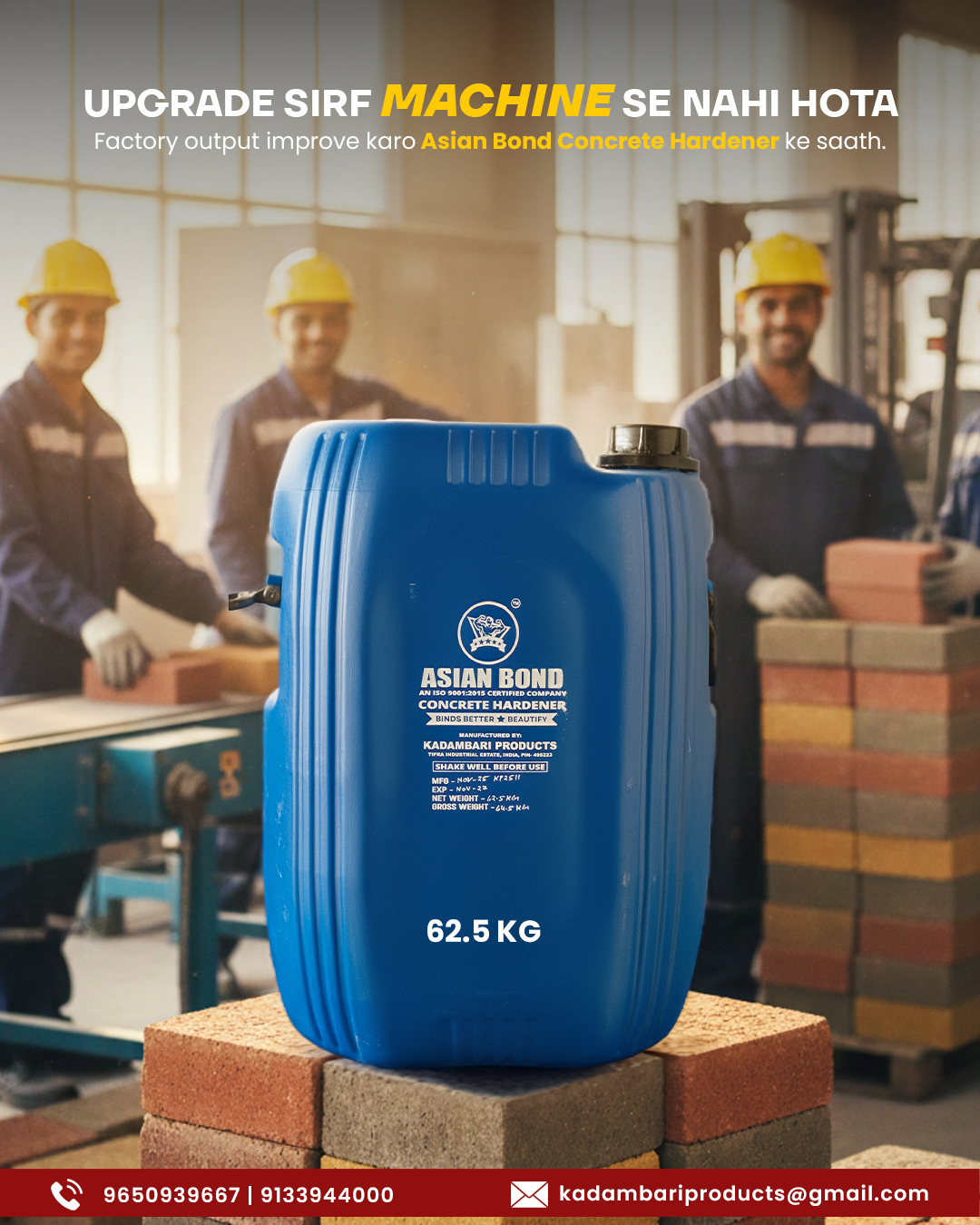
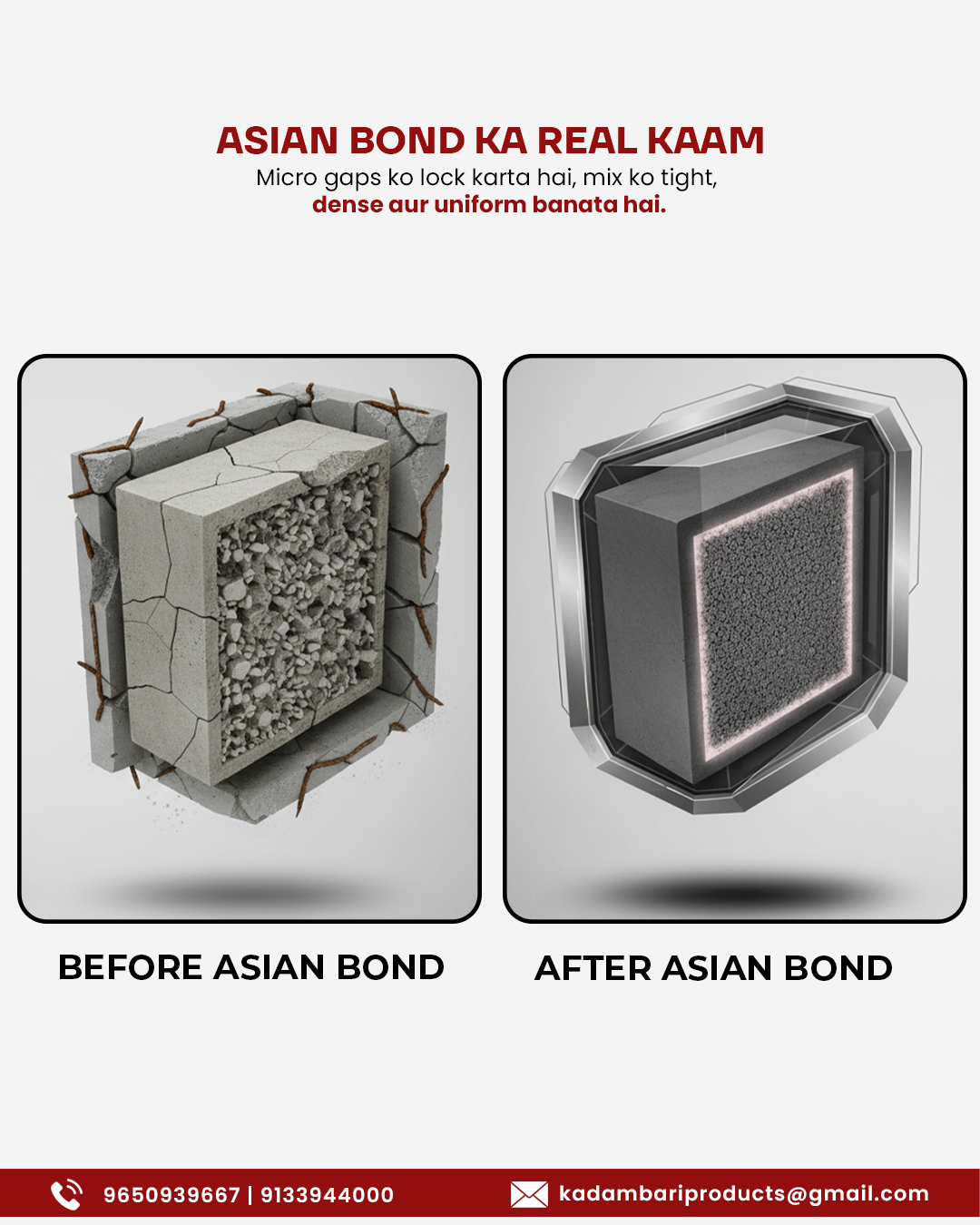
Concrete floors take daily abuse where machines roll, loads drag, and foot traffic never stops. When left untreated, surfaces begin to crack, shed dust, and form rough patches that demand constant repair. A liquid concrete hardener changes that trajectory. By penetrating deep into the slab, it restructures the material from within, extending service life and reducing maintenance costs over time.