
Learning & Blog
Read the latest insights, application guides, and industry news about concrete hardener solutions.
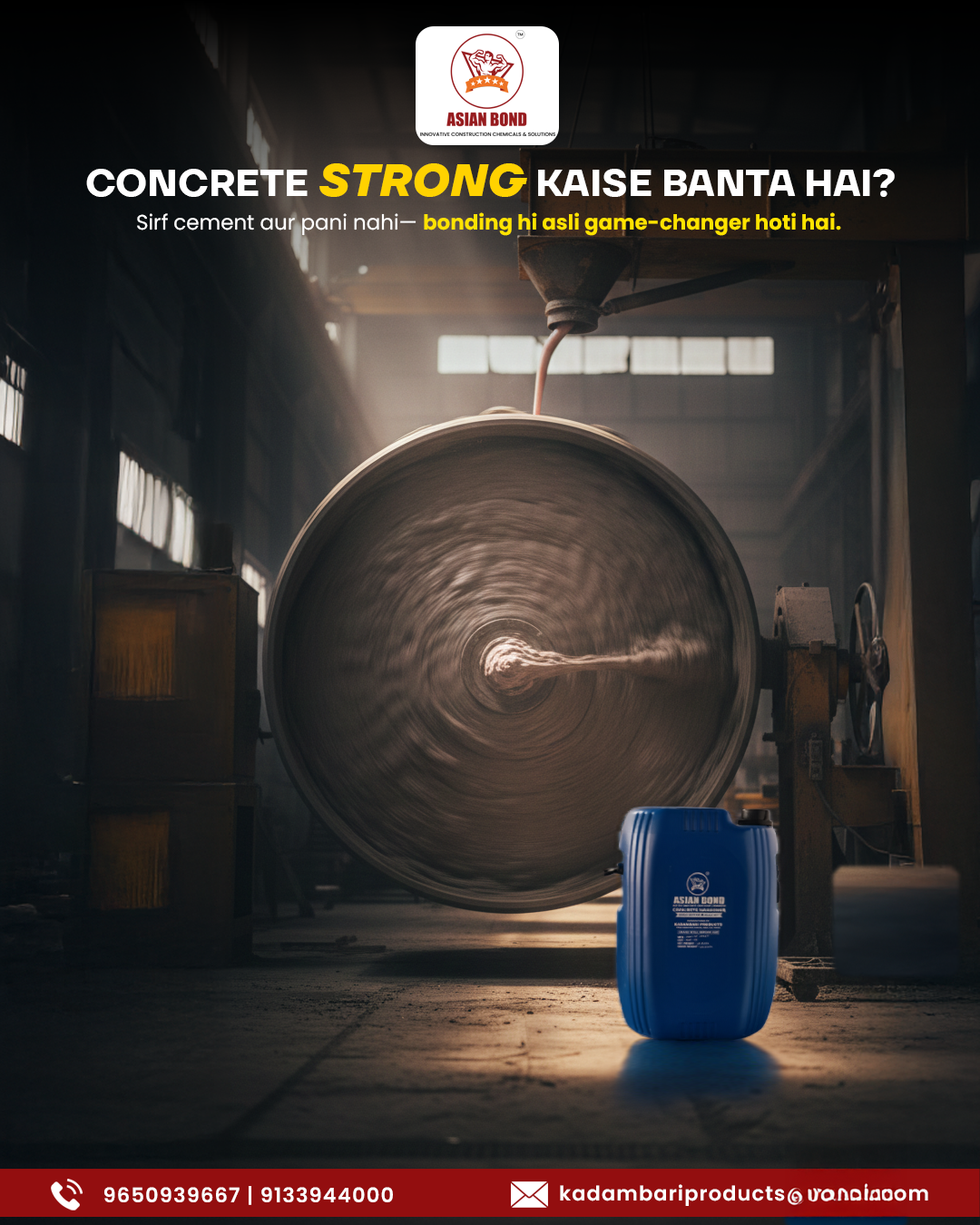
Concrete Hardener for Smart Cities and Urban Projects
Cities are expanding faster than ever, and the materials beneath them must endure constant stress. Busy streets, pedestrian walkways, transport hubs, and utility corridors face heat, rain, pollution, and heavy traffic every single day. Concrete hardener plays a critical role here—turning ordinary concrete into a long-lasting, high-performance surface built for modern urban demands.
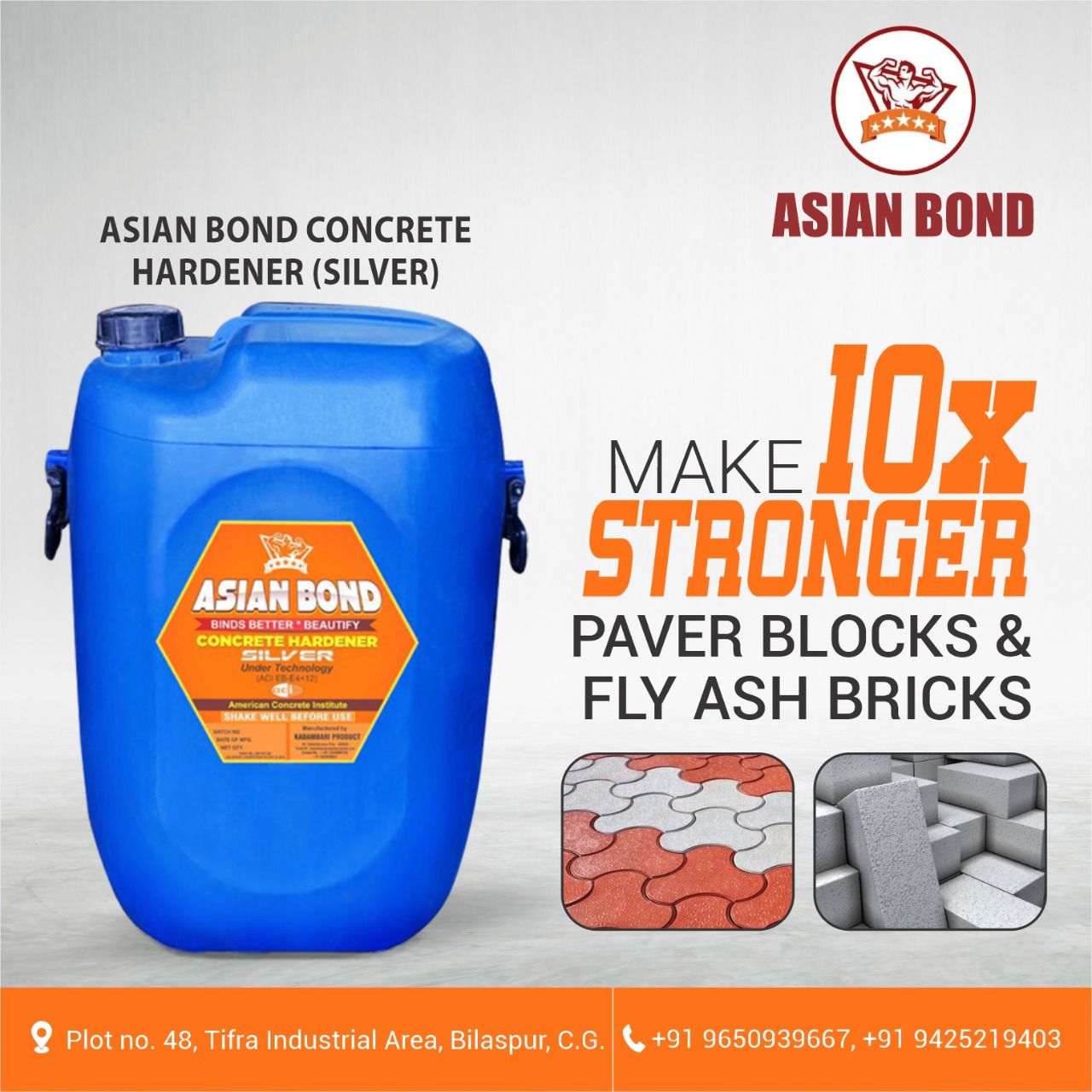
Grind N Shine Concrete Hardener by AsianBond
Floors begin to last noticeably longer when concrete is treated correctly. Factories report fewer cracks, paver blocks withstand harsh weather with ease, and brick surfaces gain a clean, durable finish where erosion once showed up early.
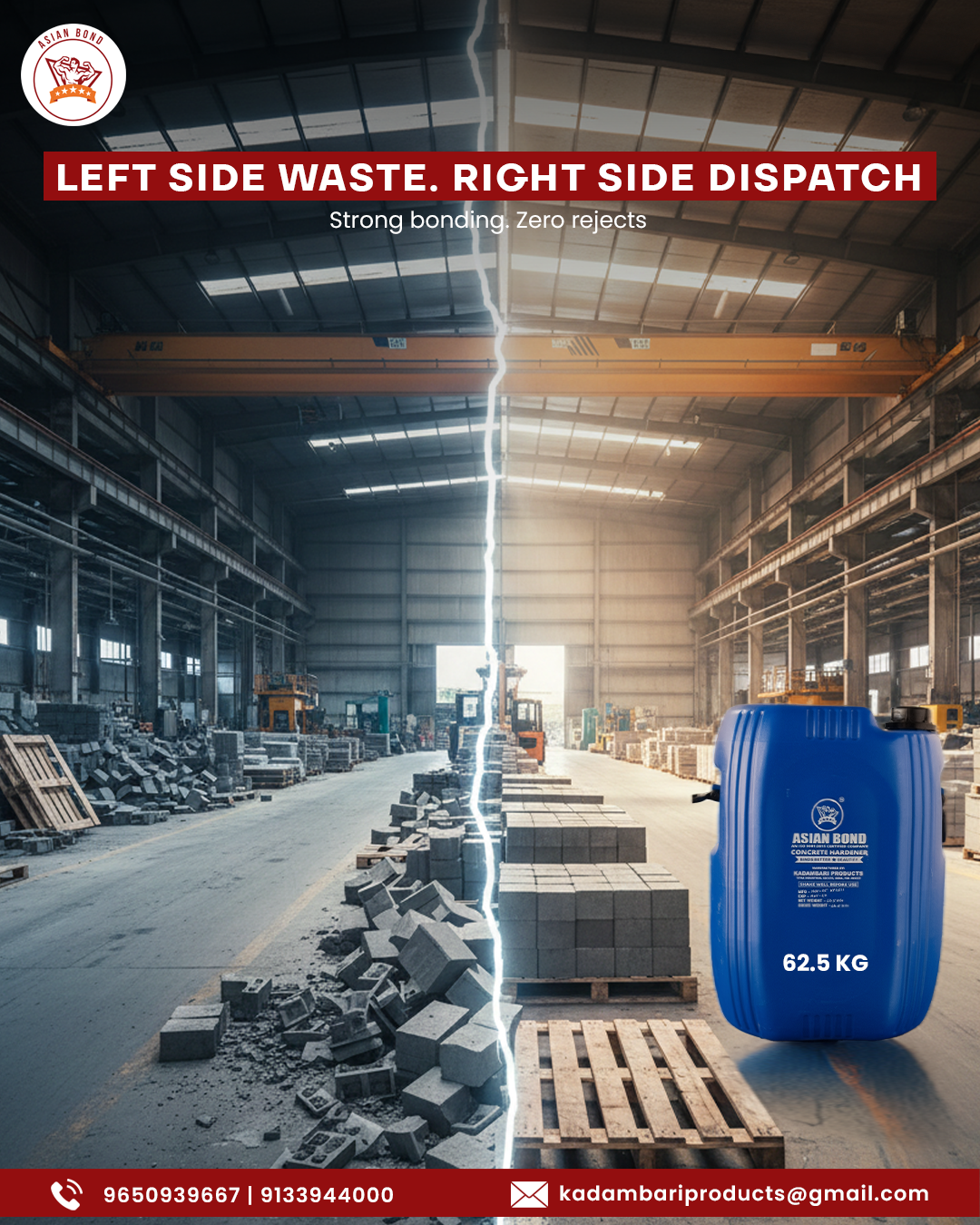
Concrete Hardener Helps Concrete Floors Last Longer
Concrete floors take daily abuse where machines roll, loads drag, and foot traffic never stops. When left untreated, surfaces begin to crack, shed dust, and form rough patches that demand constant repair. A liquid concrete hardener changes that trajectory. By penetrating deep into the slab, it restructures the material from within, extending service life and reducing maintenance costs over time.
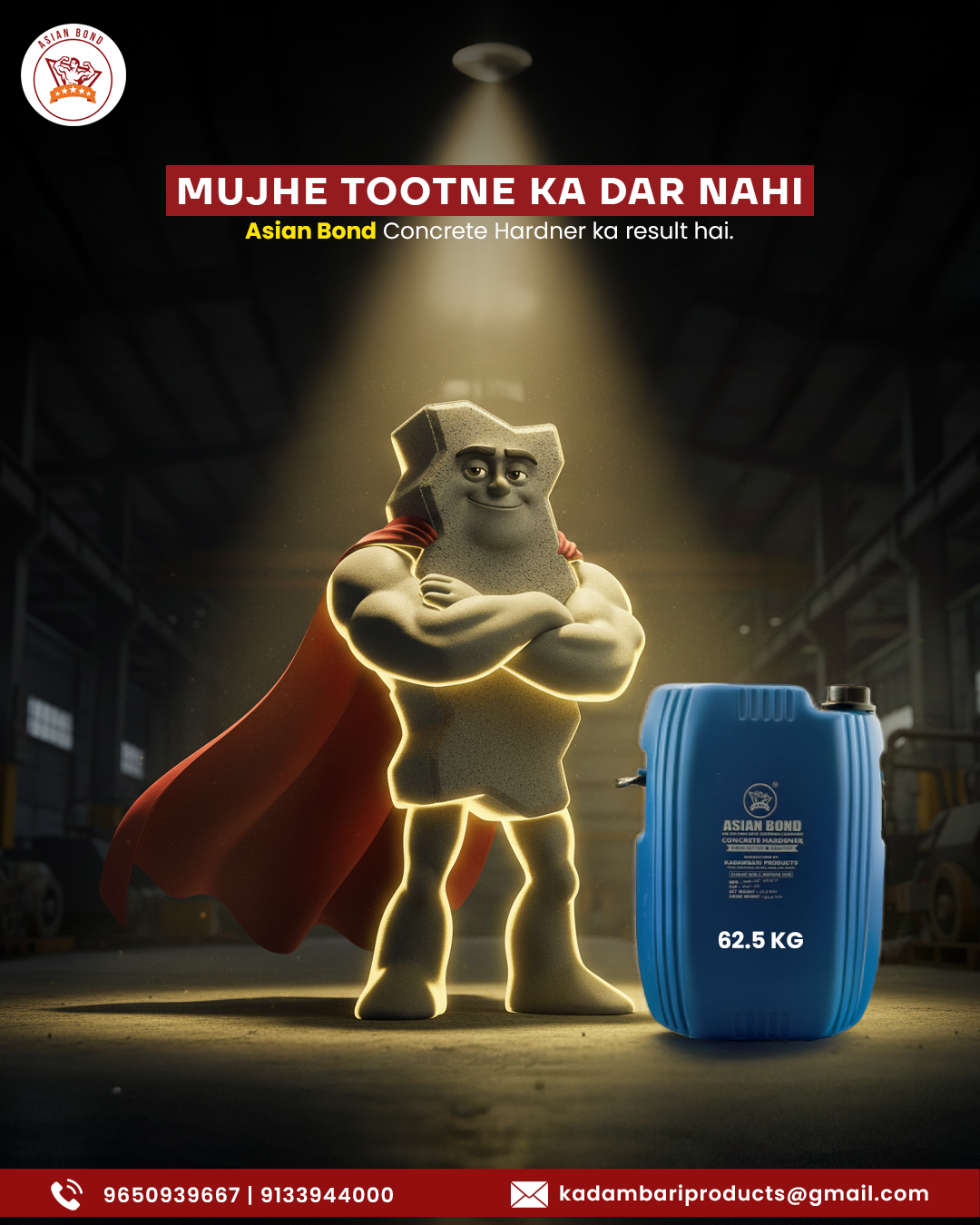
Concrete Hardener for Cold Storage and Temperature-Controlled Areas
In cold storage facilities and temperature-controlled environments, floor performance becomes mission-critical. Sub-zero temperatures, persistent moisture, forklift movement, and repeated thermal cycling place extreme stress on ordinary concrete. Without proper protection, surfaces crack, powder, and deteriorate rapidly.
Concrete Hardener for Export Warehouses and SEZ Units
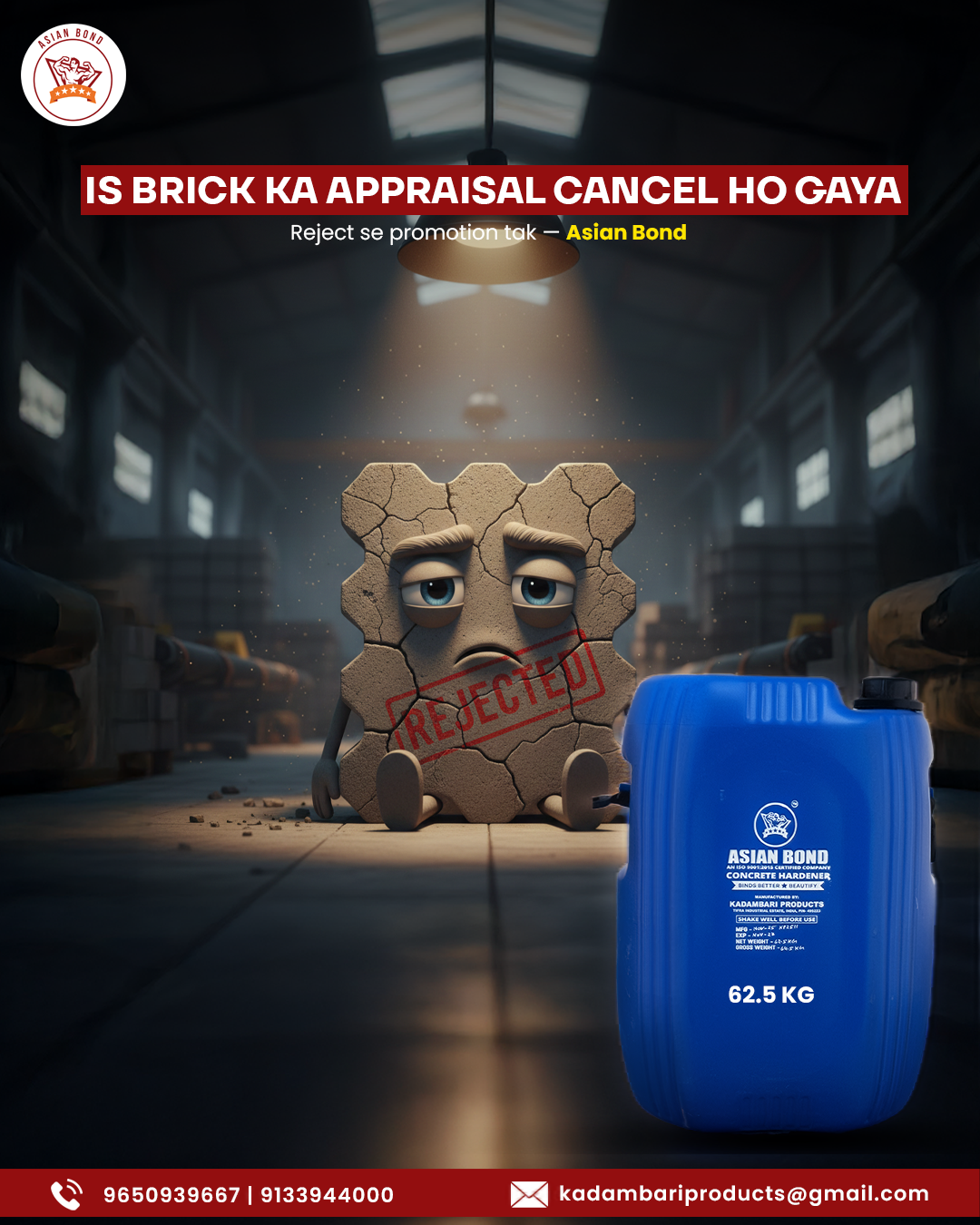
In export warehouses and Special Economic Zone (SEZ) units, floors operate under relentless stress. Forklifts move continuously, pallets stack high, machinery runs without pause, and downtime is costly. Weak concrete surfaces quickly crumble, peel, or dust—interrupting operations and inflating maintenance costs. This is where treated concrete becomes essential.
How Long Does Concrete Hardener Take to Cure?
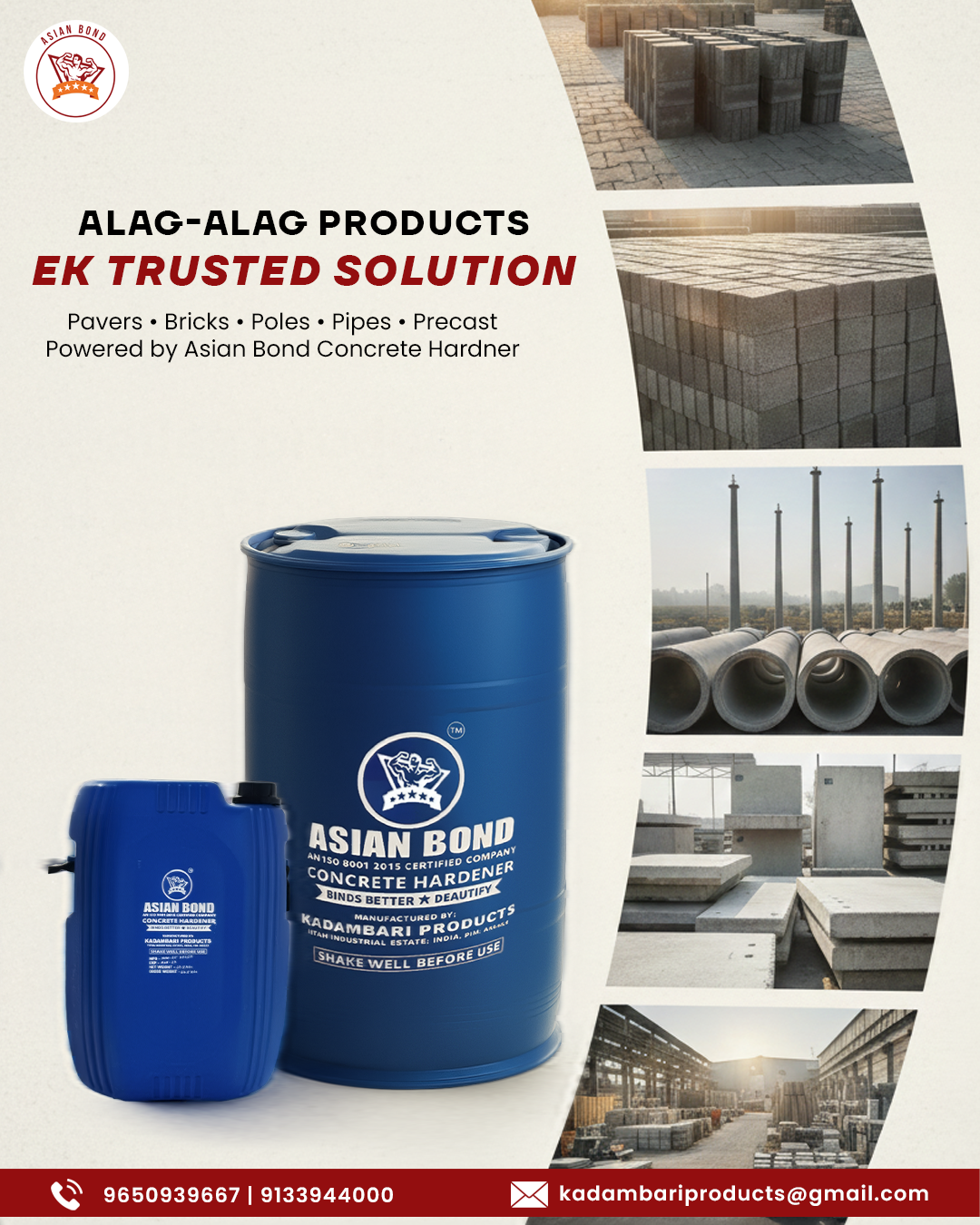
A structure stays reliable only when its foundation performs as intended. Concrete supports homes, offices, factories, and infrastructure, yet even this durable material can lose surface strength over time. Abrasion, chemicals, and moisture slowly weaken untreated slabs. To prevent this, builders often apply a concrete hardener after pouring. This treatment improves durability from within, extending floor life while reducing chipping, dusting, and surface breakdown.